Nursing Home and Caretaker Neglect & Abandonment
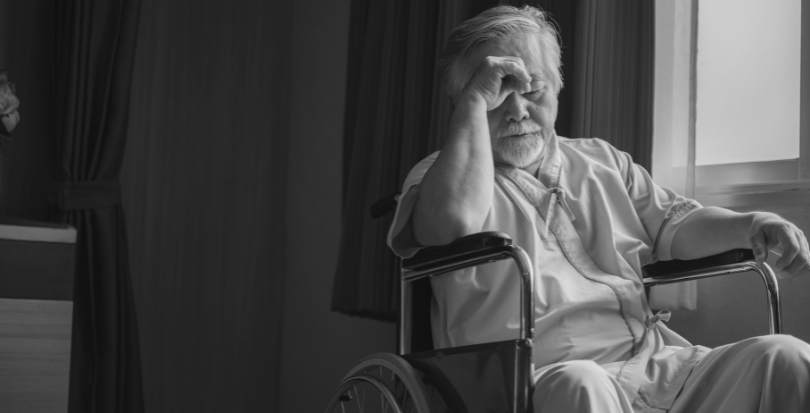
When we place an elderly or vulnerable family member in a long-term care facility, we trust that their basic human rights, medical requirements, and daily needs will be met with dignity and consistent attention. Unfortunately, thousands of families discover too late that their loved ones are suffering in silence from severe neglect or outright abandonment.
While nursing home abuse often involves intentional physical or verbal acts of violence, neglect and abandonment are quieter—but no less deadly. At Lloyd & Lloyd, we believe that understanding the exact forms these violations take is the first step toward protecting your family and holding negligent corporate operators accountable.
The Crucial Difference Between Neglect and Abandonment
Though they frequently occur together in understaffed facilities, Oklahoma law recognizes specific distinctions between these two forms of systemic failure:
- Elder Neglect: This is the chronic failure of a facility, caregiver, or administrator to provide the essential goods, services, and supervision necessary to maintain a resident’s physical, emotional, and mental health. Neglect can be intentional, but it is routinely the byproduct of severe understaffing where corporate owners intentionally cut labor costs to protect profit margins.
- Elder Abandonment: This occurs when a caregiver who has assumed responsibility for the custody, care, or supervision of a vulnerable adult completely deserts them. In a nursing home setting, this looks like a resident being left entirely alone in a room, a common area, or an off-site medical facility without an explicit handoff of care. This leaves them completely vulnerable to medical emergencies, severe trauma, or elopement (wandering off the property).
Four Major Types of Nursing Home Neglect
Neglect isn’t always as obvious as a physical injury. It typically manifests across a facility’s daily operations in four major ways:
- Medical Neglect: This occurs when staff fails to properly administer medications, misses crucial changes in a resident’s clinical status, ignores doctor-ordered physical therapy protocols, or fails to report a developing infection to the attending physician. It also includes a failure to properly manage chronic conditions like diabetes or high blood pressure, leading to preventable medical crises.
- Basic Needs Neglect: Facilities are legally required to provide clean water, nutritious meals that match specific dietary restrictions, and a safe, climate-controlled environment. Leaving food trays out of a resident’s physical reach, failing to assist those who cannot feed themselves, or leaving a resident in an overheated or freezing room all constitute basic needs neglect.
- Personal Hygiene Neglect: Residents who rely on staff for mobility require consistent, daily assistance with bathing, brushing teeth, laundering clothes, and routine toileting or incontinence care. When staff leaves a resident sitting in soiled undergarments or linens for hours, it transitions from a lack of hygiene into a severe health hazard.
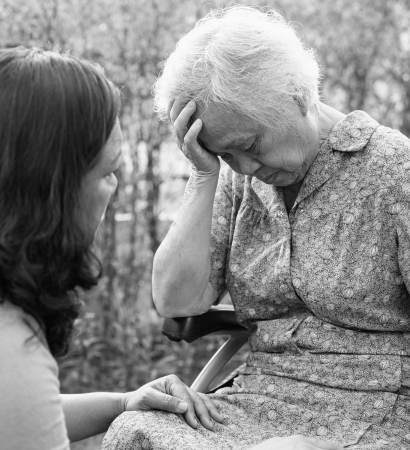
- Emotional or Social Neglect: Intentionally isolating a resident, ignoring their call lights, treating them with cold indifference, or preventing them from interacting with other residents or participating in activities can cause rapid cognitive decline, profound psychological distress, and a complete withdrawal from life.
An Expanded Guide to Warning Signs: What to Look For
Nursing homes are heavily incentivized to conceal neglect, often blaming a resident’s declining health on “natural aging” or a progressive disease. When visiting your loved one, look past the clean lobby and pay close attention to these specific physical, behavioral, and environmental indicators:
- Unexplained Bedsores (Pressure Ulcers): Bedsores are a definitive red flag for severe neglect. Bedbound or wheelchair-bound residents must be repositioned at least every two hours to maintain blood flow to vulnerable tissues. If you notice deep, painful, or discolored sores on the heels, ankles, hips, or tailbone, the staff is failing to perform basic turning protocols.
- Rapid Weight Loss and Severe Dehydration: Sunken cheeks, dry skin, cracked lips, and sudden, severe weight loss usually mean staff isn’t monitoring nutritional intake, tracking liquid consumption, or taking the time to assist a resident who eats slowly.
- Frequent, Unreported Falls: A sudden increase in falls—or finding unexplained bruises, sprains, and fractures that the facility cannot adequately justify with an official incident report—indicates a complete lack of required mobility supervision and a failure to implement mandatory fall-risk protocols.
- Poor Environmental Hygiene: Pay attention to the state of the room. Strong odors of urine or feces, unwashed bed linens, stained or missing clothing, or finding the resident’s call light tucked safely out of their physical reach are clear signs of abandonment during a shift.
- Unmanaged Medication Errors: Look for signs of over-medication or under-medication. If your loved one is suddenly lethargic, completely unresponsive, or exhibiting uncharacteristic confusion, staff may be using chemical restraints (sedatives) to make an understaffed ward easier to manage.
- Sudden Behavioral Changes: If a normally expressive loved one suddenly becomes uncharacteristically withdrawn, fearful around specific staff members, or completely non-communicative, they may be experiencing emotional neglect or a self-imposed isolation driven by fear of retaliation.
The Corporate Reality Behind Systemic Care Failures
If preventing neglect is a matter of basic common sense and human decency, why does it remain so prevalent? In our experience, it almost always comes down to corporate profit margins over patient welfare.
Staffing costs represent the single largest expense in a nursing home’s operating budget. To maximize profits, many corporate owners and private equity backers intentionally understaff facilities, leaving overextended nurses and aides to look after far too many residents at once. When an aide is forced to balance fifteen high-needs residents simultaneously, call lights go unanswered, safety checks are skipped, hygiene protocols are ignored, and vulnerable seniors are effectively abandoned during their hours of greatest need.
How to Hold a Negligent Oklahoma Facility Accountable
If you suspect your relative is being neglected or has been abandoned by their designated caregivers, documentation is your most powerful tool. Do not rely on verbal promises from administrators. Take detailed, time-stamped photographs of any physical injuries, unhygienic conditions, or rapid physical changes. Keep a strict, written journal of unanswered call lights, missed meals, or evasive answers from nursing supervisors.
You have a strict legal right to demand your loved one’s complete charts, medication logs, and internal care plans. At Lloyd & Lloyd, we have spent decades standing up for families in Tulsa, Sand Springs, and throughout Oklahoma. We know how to subpoena digital shift logs, expose fraudulent documentation where staff “papered over” missing care after the fact, and hold negligent corporate systems legally and financially responsible for the harm they cause.
Your family deserves a direct, powerful advocate to cut through the corporate excuses. Contact our personal injury team today at 918-246-0200 to schedule a free, confidential evaluation of your case.
SCHEDULE A CONSULT WITH THE LEGAL EXPERTS AT LLOYD & LLOYD
No family wants to face having to put a loved one into a nursing home. However, if it is necessary to take this step, the family deserves to know that the promises of the nursing home to take care of their parents are true.
