Nursing Home Falls
Preventing Negligence on Oklahoma Nursing Home Facilities
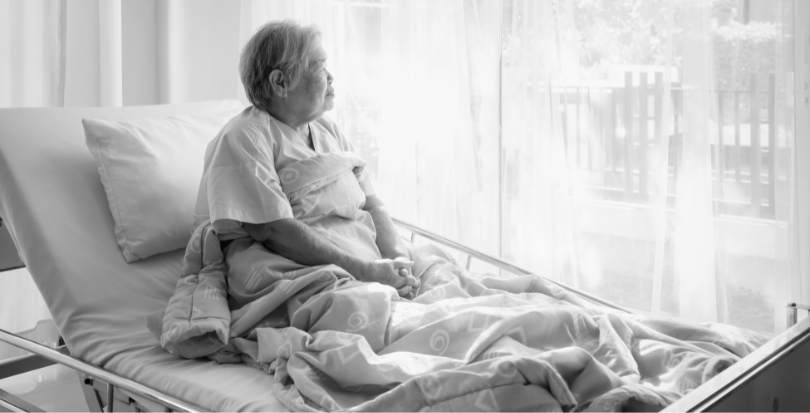
When a family makes the difficult decision to place a loved one in an Oklahoma nursing home, they do so with the promise that the facility will provide a safe, monitored environment.
According to data from the Centers for Disease Control and Prevention (CDC), between half and three-quarters of all nursing home residents suffer a fall every single year.
A fall is rarely “just an accident.” In a managed care setting, repeated or severe falls are frequently a direct symptom of understaffing, lack of supervision, or a failure to implement a basic, personalized fall-prevention protocol.
The True Cost of a Nursing Home Fall
For an elderly resident, a single fall can permanently alter their quality of life. Approximately 1,800 nursing home residents die each year from fall-related complications, while up to 20% of falls result in severe, debilitating injuries like hip fractures, broken bones, and subdural hematomas (brain bleeding).
Beyond the immediate physical trauma, the psychological impact can be devastating.
Why Nursing Home Falls Occur (and How They Are Prevented)
When a serious fall occurs, nursing home administrators almost always deploy the same excuse: “Falls are an inevitable part of aging and cannot be entirely prevented.”
This is a deceptive defense. While it is true that age introduces physical vulnerabilities, federal and state regulations explicitly require nursing homes to assess every resident’s fall risk upon admission and continuously update their care plan to minimize those risks.
Preventing falls isn’t a medical mystery; it requires practical, proactive safety measures:
-
Comprehensive Fall-Risk Assessments: Identifying medication side effects (like dizziness), muscle weakness, or cognitive impairments that compromise balance.
-
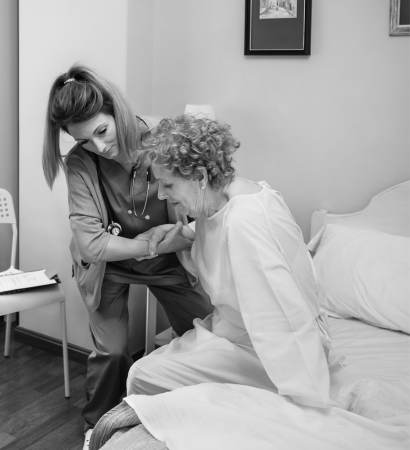
Adequate Supervision and Mobility Assistance: Ensuring a sufficient number of trained staff members are available to answer call lights promptly and assist residents with routine movements, such as getting out of bed or using the restroom.
-
Safe Transfer Protocols: Utilizing two-person transfers or mechanical lifts for residents who cannot safely stand or pivot on their own.
-
Environmental Safety Sweeps: Keeping hallways clear of debris, maintaining bright lighting, fixing broken bed rails, and ensuring that essential items—and the resident’s walker or wheelchair—are always within arm’s reach.
The Corporate Reality Behind the Neglect
If fall-prevention measures are basic common sense, why do they fail so often? In our experience, it almost always comes down to corporate profit margins over patient welfare.
Staffing costs represent the single largest expense in a nursing home’s operating budget. To maximize profits, many corporate owners intentionally understaff facilities, leaving overextended nurses and aides to look after far too many residents at once. When a call light goes unanswered for thirty minutes, a confused or desperate resident will try to get up on their own—and that is exactly when catastrophic falls happen.
Protect Your Loved One’s Rights
If your parent or relative has been injured in a nursing home fall, you do not have to accept the facility’s excuses. You have a right to see their complete clinical records, internal incident reports, and fall-risk care plans.
At Lloyd & Lloyd, we have decades of experience representing Sand Springs, Tulsa, and regional Oklahoma families in nursing home abuse and neglect cases. We know how to audit a facility’s staffing logs, review their safety records, and expose the corner-cutting that leads to severe resident injuries.
Let us help you uncover the truth and hold negligent facilities accountable. Contact our team today at 918-246-0200 to schedule your free, no-obligation case evaluation.
SCHEDULE A CONSULT WITH THE LEGAL EXPERTS AT LLOYD & LLOYD
No family wants to face having to put a loved one into a nursing home. However, if it is necessary to take this step, the family deserves to know that the promises of the nursing home to take care of their parent(s) are true.
